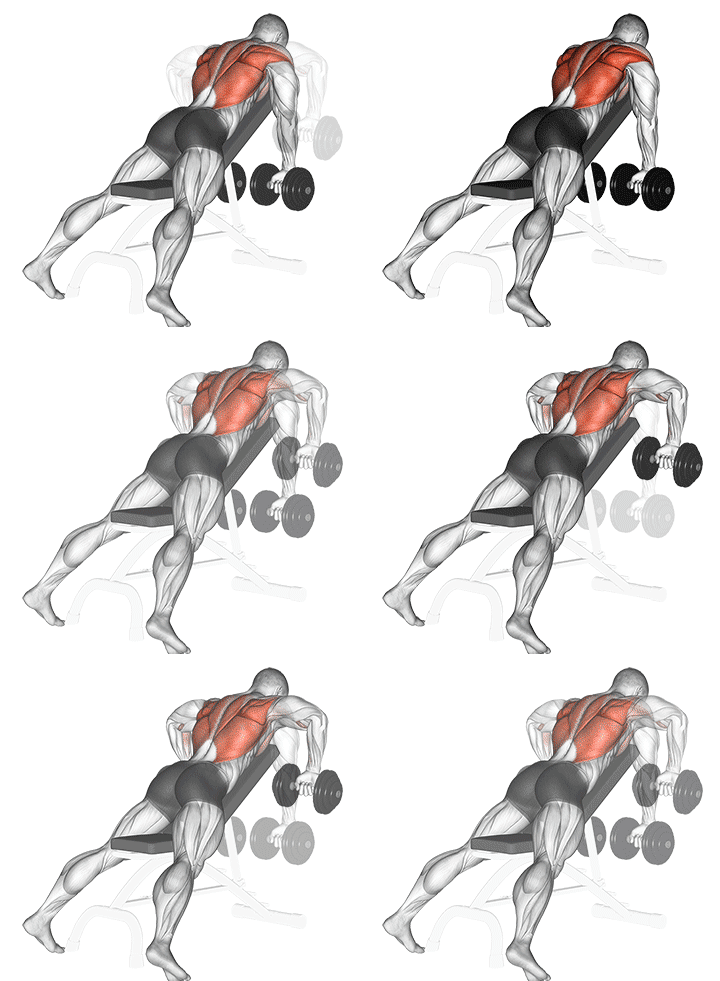
Target Muscle Group:
Upper Back (Trapezius)
Equipment Required
Dumbbell & A Bench
Experience Level:
Beginner
Secondary Muscles
Rhomboids, Forearm, Rear Deltoids
Ideal sets & reps:
3 sets of 8 reps
Benefits
- 1. It provides a variation to your back training routine, helping to break plateaus and keep workouts engaging and effective.
- 2. It engages the shoulder stabilizer muscles, contributing to better shoulder joint health and reducing the risk of shoulder injuries.
- 3. The incline bench allows for a greater range of motion compared to traditional rows, ensuring a thorough contraction of the upper back muscles.
- 4. This exercise primarily targets the upper back muscles, including the traps and rhomboids, promoting muscle growth and enhanced definition in the upper back region.
- 5. Strengthening the upper back muscles through incline rows helps correct posture by pulling the shoulders back and countering the effects of prolonged sitting and slouching.
Instructions
- 1. Lie face down on the inclined bench, positioning your chest and abdomen against it. Keep your feet flat on the floor with knees slightly bent for stability.
- 2. Lie face down on the inclined bench, positioning your chest and abdomen against it. Keep your feet flat on the floor with knees slightly bent for stability.
- 3. Grasp a barbell or dumbbells with an overhand grip, hands slightly wider than shoulder-width apart. Let the weights hang down toward the floor.
- 4. Begin by retracting your shoulder blades, pulling them together. This stabilizes your shoulder area.
- 5. Exhale as you pull the barbell or dumbbells toward your lower ribcage. Maintain your elbows close to your body during the movement. Squeeze your upper back muscles as you lift.
- 6. Inhale and slowly lower the weight back to the starting position, maintaining control. Allow your shoulder blades to move apart at the bottom of the motion.
Points to remember
- 1. Perform the exercise with a controlled tempo, emphasizing the squeeze at the top of the movement. Avoid using momentum or swinging the weights.
- 2. Throughout the rowing motion, maintain your elbows close to your body. Avoid flaring them outward, as this can shift the focus away from the upper back.
- 3. Use an overhand grip on the barbell or dumbbells, with your hands slightly wider than shoulder-width apart. This grip engages the target muscles effectively.
- 4. Initiate the movement by retracting your shoulder blades (squeeze them together) before pulling the weight. This ensures proper engagement of the upper back muscles.
- 5. Aim for a complete range of motion, allowing the weights to lower to the fully stretched position and pulling them up until you feel a strong contraction in your upper back.
Popular Questions
- Q1. What are the muscles worked by 45 degree incline row ?
- A1. The 45 Degree Incline Row primarily targets the upper back muscles, particularly the trapezius, while secondary muscles include the rhomboids, rear deltoids, biceps, forearms, and lats. This exercise effectively strengthens the upper back and promotes better posture.
- Q2. What are the best 45 degree incline row alternative's ?
- A2. Effective alternatives to the 45 Degree Incline Row include Chest-Supported Rows, Seated Cable Rows, Face Pulls, and Single-Arm Dumbbell Rows. These exercises provide versatile options for targeting the upper back and rear deltoids, aiding muscle development and balance.
- Q3. What are the benefits of doing 45 degree incline row ?
- A3. Performing the 45 Degree Incline Row is beneficial for strengthening the upper back muscles, primarily the trapezius, which enhances posture and supports shoulder stability. This exercise also engages secondary muscles like the rhomboids and rear deltoids, contributing to overall upper body strength and muscle balance.