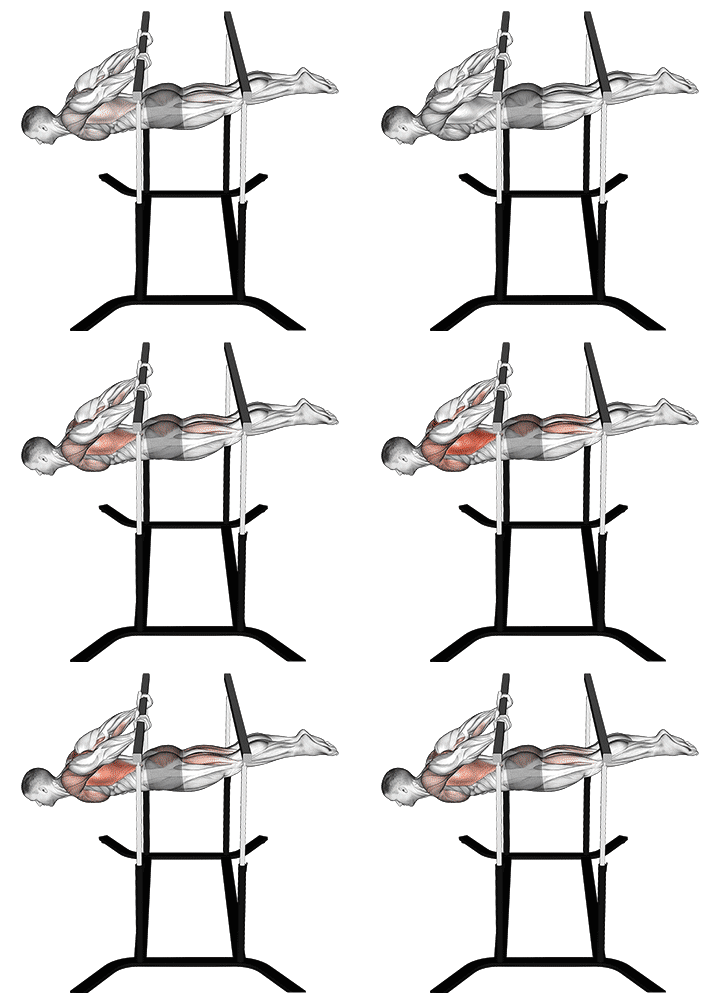
Target Muscle Group:
Latissimus Dorsi (Lats)
Equipment Required
Parallel Dip Bar
Experience Level:
Advanced
Secondary Muscles
Biceps, Shoulders, Core Muscles
Ideal sets & reps:
3 sets of 5 reps
Benefits
- 1. Consistent practice can enhance shoulder and hamstring flexibility, aiding in overall mobility.
- 2. Achieving a back lever demonstrates remarkable body control and balance, reflecting advanced athleticism and fitness.
- 3. This exercise targets the shoulders, chest, and upper back, leading to increased muscle strength and definition in these areas.
- 4. Mastering the back lever demands mental resilience and discipline, boosting your mental fortitude along with your physical abilities.
- 5. The back lever requires intense core engagement to maintain a horizontal body position, making it a powerful core-strengthening exercise.
Instructions
- 1. Begin with a thorough warm-up to prepare your shoulders, core, and back. Incorporate dynamic stretches and mobility exercises to loosen up your upper body.
- 2. Find a sturdy horizontal bar or rings that can support your body weight. Stand facing the bar, then grip it with an overhand grip, placing your hands shoulder-width apart.
- 3. Jump up and hang from the bar, ensuring your body is fully extended. While hanging, focus on engaging your core muscles. This is crucial for stability during the back lever.
- 4. Start by bending your knees and pulling them toward your chest, creating a tuck position. This reduces the lever length and makes the exercise more manageable.
- 5. Gradually begin to lean backward while maintaining the tucked position. Simultaneously, engage your lats and shoulders to pull your body away from the bar.
- 6. Continue leaning back until your body is parallel to the ground. At this point, you'll be in the back lever position.ontinue leaning back until your body is parallel to the ground. At this point, you'll be in the back lever position.
- 7. To hold the back lever, maintain tension throughout your entire body. Keep your core tight, legs together, and toes pointed.
- 8. When you're ready to exit the back lever, reverse the steps in a controlled manner. Begin by bringing your legs back toward your chest, then slowly lower yourself to the hanging position.
- 9. After completing the back lever, gently release the bar, and allow your body to recover. Stretch your shoulders and back to prevent any stiffness.
- 10. If you're new to this exercise, practice the tucked back lever first, gradually working toward a full back lever as you build strength and confidence.
Points to remember
- 1. Pay attention to your breathing. Maintain steady, controlled breaths throughout the exercise to avoid tension buildup.
- 2. Activate your shoulder muscles (deltoids and lats) to pull your body away from the bar and maintain the horizontal position.
- 3. Ensure you have a secure and comfortable grip on the bar or rings. Use an overhand grip with your hands shoulder-width apart.
- 4. Maintaining a strong core is essential for stability during the back lever. Focus on engaging your abdominal muscles throughout the entire movement.
- 5. The back lever is an advanced exercise, and it's crucial to progress gradually. Start with the tucked variation and only move on to the full back lever when you've built sufficient strength and control.
Popular Questions
- Q1. What are the best back lever alternative's ?
- A1. Effective alternatives to the back lever include front levers, which target similar muscle groups and require body control, and skin-the-cat exercises, which help build the necessary shoulder and core strength while working through a range of motion.
- Q2. What are the muscles worked by back lever ?
- A2. The back lever primarily engages the latissimus dorsi (lats), which are responsible for pulling your body away from the bar and maintaining the horizontal position. Secondary muscles include the deltoids, aiding in shoulder joint control; the biceps brachii, assisting in elbow flexion
- Q3. What are the benefits of doing back lever ?
- A3. Performing the back lever offers several benefits. It strengthens the latissimus dorsi, promoting a sculpted upper back, while engaging the deltoids, biceps, and core for enhanced shoulder stability and improved posture. Additionally, it develops grip strength and forearm muscles, contributing to overall upper body strength and control.