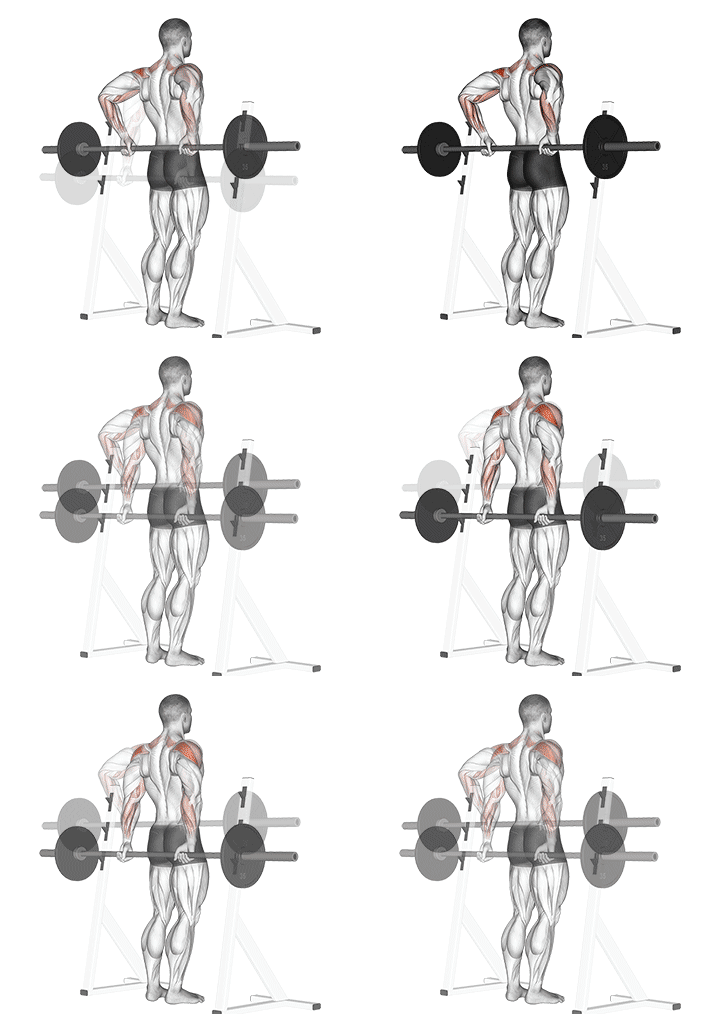
Target Muscle Group:
Rear Deltoids (Shoulders)
Equipment Required
Barbell, Weight Plate
Experience Level:
Beginner
Secondary Muscles
Trapezius, Rhomboids
Ideal sets & reps:
4 sets of 10 reps
Benefits
- 1. The Barbell Rear Delt Raise engages the rear deltoids along with other shoulder stabilizer muscles. Strengthening these muscles can enhance shoulder stability, reducing the risk of injuries.
- 2. You can adjust the weight used for Barbell Rear Delt Raises to suit your fitness level. Beginners can start with light weights and progressively increase the load as they become more experienced
- 3. You can adjust the weight used for Barbell Rear Delt Raises to suit your fitness level. Beginners can start with light weights and progressively increase the load as they become more experienced.
- 4. Strong rear deltoids are essential for various daily activities involving the shoulder, such as lifting objects, reaching overhead, and performing sports movements. Developing them can contribute to overall shoulder functionality.
- 5. By strengthening the rear deltoids, you can improve your posture. These muscles help pull your shoulders back, counteracting the forward shoulder posture that many people develop due to activities like prolonged sitting or working on a computer.
Instructions
- 1. Begin by loading a barbell with light to moderate weight plates. A lighter weight is ideal for this isolation exercise. Stand with your feet shoulder-width apart, ensuring a firm and balanced base.
- 2. Grip the barbell with an overhand grip (palms facing down), placing your hands slightly wider than shoulder-width apart. Your thumbs should be on the same side as your fingers for a secure grip.
- 3. Lift the barbell from the rack and position it at waist level. Your arms should be fully extended, and the bar should be right behind your thighs.
- 4. Begin the movement by bending at your hips, maintaining a slight bend in your knees. Keep your back straight, chest up, and core engaged for stability.
- 5. Gradually lower the barbell back to the starting position while maintaining control. Feel the stretch in your rear deltoids as you lower the weight.
- 6. Aim for 3-4 sets of 10-15 repetitions, focusing on the mind-muscle connection with your rear deltoids.
Points to remember
- 1. Focus on maintaining correct form throughout the exercise. Keep your back straight, chest up, and core engaged to ensure stability.
- 2. Lift the barbell to shoulder level or slightly above to ensure a full range of motion. This allows for better muscle engagement and development.
- 3. Concentrate on the mind-muscle connection with your rear deltoids. Visualize the rear deltoids doing the work as you lift the barbell, ensuring they are the primary muscles engaged.
- 4. Use a weight that allows you to complete each repetition with proper form. The rear deltoids are relatively small muscles, so excessive weight can lead to poor form and increased risk of injury.
- 5. Emphasize controlled movements during both the lifting and lowering phases. Avoid using momentum to lift the weight, as this can reduce the effectiveness of the exercise and increase the risk of injury.
Popular Questions
- Q1. What are the benefits of doing barbell rear delt raise ?
- A1. Barbell Rear Delt Raises focus on strengthening the rear deltoid muscles, promoting balanced and sculpted shoulders. Additionally, they enhance posture and shoulder stability, reducing injury risk and improving overall upper body strength.
- Q2. What are the muscles worked by barbell rear delt raise ?
- A2. Barbell Rear Delt Raises primarily target the rear deltoid muscles, located at the back of the shoulders. Secondary muscles involved include the upper and middle trapezius, rotator cuff muscles, rhomboids, and lower back erector spinae, which collectively support shoulder stability and proper form during the exercise.
- Q3. What are the best barbell rear delt raise alternative ?
- A3. Two effective alternatives to the Barbell Rear Delt Raise are Cable Face Pulls and Bent-Over Dumbbell Raises. Cable Face Pulls engage the rear deltoids, upper traps, and rhomboids using a cable machine with a rope attachment. Bent-Over Dumbbell Raises target the rear deltoids, upper back, and traps by bending at the waist and raising dumbbells.