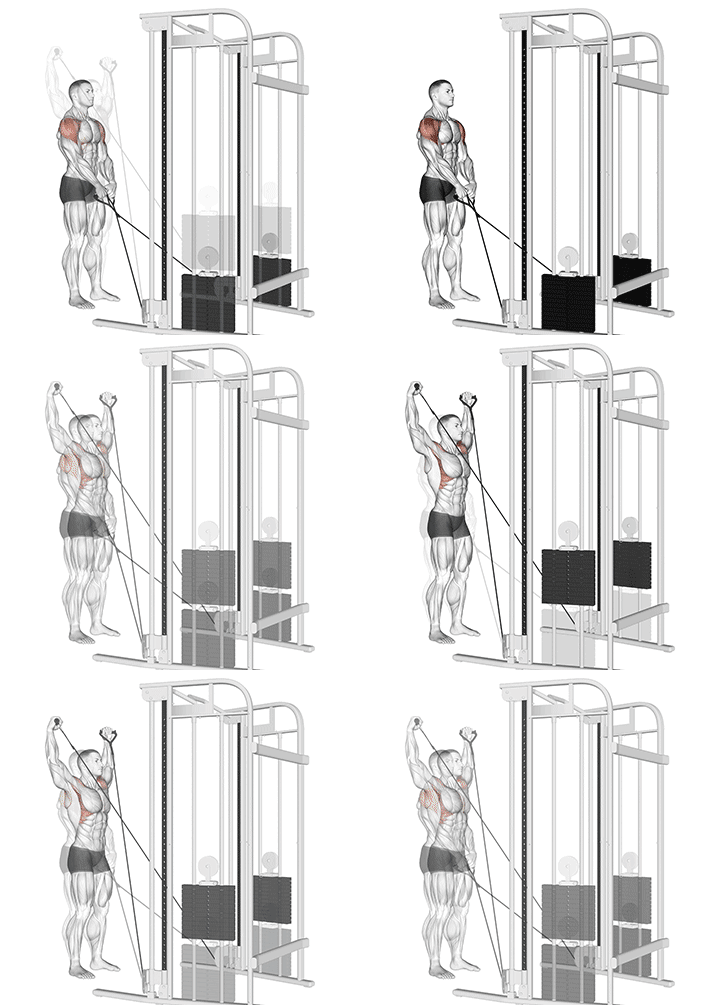
Target Muscle Group:
Rear Deltoids
Equipment Required
Cable y machine
Experience Level:
Beginner
Secondary Muscles
Trapezius, Rhomboids
Ideal sets & reps:
3 sets of 10 reps
Benefits
- 1. This exercise can improve shoulder mobility and flexibility, which is beneficial for everyday activities and workouts.
- 2. Developing the rear deltoids contributes to shoulder stability, reducing the risk of injuries and discomfort, especially for those involved in resistance training or sports.
- 3. Cable Y Raises primarily target the deltoid muscles, particularly the rear deltoids. This exercise helps create well-rounded shoulder development, improving both aesthetics and functionality
- 4. Strong rear deltoids are essential for various athletic movements, including throwing, swinging, and lifting. Incorporating Cable Y Raises can enhance athletic performance and functional strength.
- 5. Strengthening the rear deltoids and upper back muscles aids in maintaining proper posture. This is especially important in today's sedentary lifestyles, where rounded shoulders are common due to excessive sitting and screen time. .
Instructions
- 1. Attach a D-handle to a low pulley on a cable machine and adjust the weight stack accordingly. Stand facing the machine with feet shoulder-width apart.
- 2. Grasp the handle with both hands, creating a "Y" shape with your arms extended in front of you. Keep a slight bend in your elbows.
- 3. Begin the exercise by retracting your shoulder blades (pull them back and together) to engage your upper back muscles.
- 4. While maintaining straight arms, raise the handle upward and slightly outward. Elevate your arms to form a "Y" shape with your body, focusing on contracting your rear deltoids.
- 5. Lower the handle under control, returning to the initial position, and repeat for the desired number of reps, typically 3 sets of 10-15 reps.
Points to remember
- 1. Select a weight that challenges your muscles without compromising form. It's essential to maintain good form throughout the exercise for optimal results and safety.
- 2. Maintain an upright stance with your feet shoulder-width apart. Ensure your back is straight, and engage your core muscles to stabilize your spine throughout the exercise.
- 3. Lift the handle upward and slightly outward to create a "Y" shape with your arms. Aim to raise your arms parallel to the ground, maximizing the contraction in your rear deltoids.
- 4. Initiate the movement by retracting your shoulder blades (pulling them back and together) before lifting the handle. This helps activate the target muscles and ensures proper form.
- 5. Concentrate on feeling the contraction in your rear deltoids and upper back muscles throughout the entire range of motion. This mind-muscle connection enhances the effectiveness of the exercise.
Popular Questions
- Q1. What are the muscles worked by cable y raise ?
- A1. Cable Y Raises primarily target the rear deltoid muscles (posterior deltoids) for improved shoulder aesthetics and stability. Additionally, they engage the upper trapezius and rhomboid muscles, enhancing shoulder posture and scapular stability. This exercise is valuable for a well-rounded shoulder development and upper body strength.
- Q2. What are the best cable y raise alternative ?
- A2. Two excellent alternatives to Cable Y Raises are Face Pulls and Bent Over Rear Delt Raises. Face Pulls engage the rear deltoids, traps, and rhomboids as you pull a rope attachment towards your face, emphasizing shoulder blade retraction. Bent Over Rear Delt Raises target the rear deltoids exclusively by bending at the hips and raising dumbbells out to the sides while maintaining a flat back.
- Q3. What are the benefits of doing cable y raise ?
- A3. Cable Y Raises offer several benefits, primarily targeting the rear deltoid muscles for enhanced shoulder aesthetics and strength. By engaging the rear deltoids, they contribute to balanced shoulder development and better posture. Additionally, the exercise involves secondary muscles like the upper trapezius and rhomboids, promoting improved shoulder stability and scapular control.