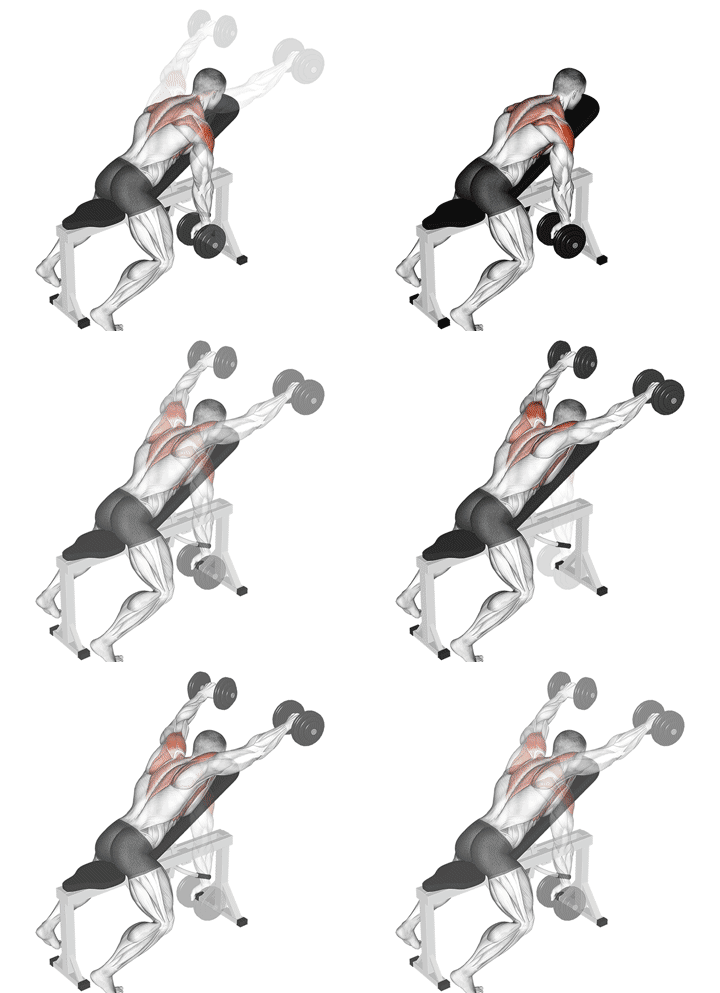
Target Muscle Group:
rear deltoids
Equipment Required
Dumbbells & A Bench
Experience Level:
Beginner
Secondary Muscles
Lateral Deltoids & Middle Trapezius
Ideal sets & reps:
3 sets of 8 reps
Benefits
- 1. This exercise can be tailored to various fitness levels by adjusting the weight, making it suitable for beginners and experienced lifters alike.
- 2. Incline Dumbbell Y Raises mimic natural shoulder movements, improving overall shoulder function for everyday tasks.
- 3. It engages stabilizer muscles around the shoulders, promoting joint stability and reducing the risk of injuries during other upper body exercises.
- 4. Strengthening the rear deltoids aids in better posture by countering the forward-slouching position many people develop due to daily activities like desk work.
- 5. This exercise primarily targets the deltoid muscles, especially the rear and side deltoids, helping to build a well-rounded and defined shoulder appearance.
Instructions
- 1. Adjust an incline bench to approximately 30-45 degrees. Sit on the incline bench with your chest against the pad, and your feet flat on the floor. Hold a dumbbell in each hand, with your palms facing inward, letting your arms hang straight down.
- 2. Begin with the dumbbells hanging directly beneath your shoulders. Maintain a slight bend in your elbows and keep your back straight against the bench exhale as you lift the dumbbells outward and upward.
- 3. Forming a Y shape with your arms. Focus on engaging your shoulder muscles, especially the rear and side deltoids, during this motion. Squeeze your shoulder blades together as you raise the dumbbells.
- 4. Continue the raise until your arms are parallel to the ground or slightly above it. Avoid going higher to prevent unnecessary stress on your shoulder joints. Hold this position briefly, emphasizing the contraction in your shoulder muscles.
- 5. Inhale as you lower the dumbbells in a controlled manner, returning to the starting position. Keep your chest against the bench and maintain the natural arch in your lower back.
- 6. Breathe naturally throughout the exercise, exhaling as you lift up and inhaling as you lower the dumbbells down. Aim for 8-12 repetitions for 3-4 sets, depending on your fitness level and goals.
Points to remember
- 1. Maintain a neutral spine throughout the exercise. Avoid excessive arching of the lower back, which can lead to strain or discomfort.
- 2. Keep a slight bend in your elbows throughout the movement. This reduces stress on the elbow joints and ensures that the shoulder muscles are doing the work.
- 3. Lift and lower the dumbbells in a slow and controlled manner. Avoid swinging or jerking the weights, as this can lead to injury and diminish the effectiveness of the exercise.
- 4. Position your chest firmly against the bench's padding to maintain stability and prevent arching of the lower back. This also ensures you're working the intended shoulder muscles.
- 5. Focus on using your shoulder muscles, particularly the rear and side deltoids, to lift the dumbbells. Concentrate on the muscles you are targeting, rather than relying on momentum.
Popular Questions
- Q1. What are the muscles worked by incline dumbbell y raise ?
- A1. The exercise primarily targets the rear deltoids, helping to strengthen and develop this often underworked part of the shoulder. It also engages the secondary muscles (Lateral Deltoids, Upper Trapezius) for stability and control during the movement.
- Q2. What are the best incline dumbbell y raise alternative ?
- A2. The best incline dumbbell y raise alternatives include Face Pulls, Bent-Over Reverse Flyes and Seated Bent-Over Rear Delt Raise. These exercises target similar muscle groups and offer various levels of intensity and equipment options for upper body strength development.
- Q3. What are the benefits of doing incline dumbbell y raise ?
- A3. Incline Dumbbell Y Raises primarily strengthen the upper traps, rear deltoids, and scapular stabilizers, leading to improved posture and reduced risk of shoulder injuries. This exercise also enhances shoulder mobility and overall upper body strength, making it valuable for a well-rounded fitness routine.