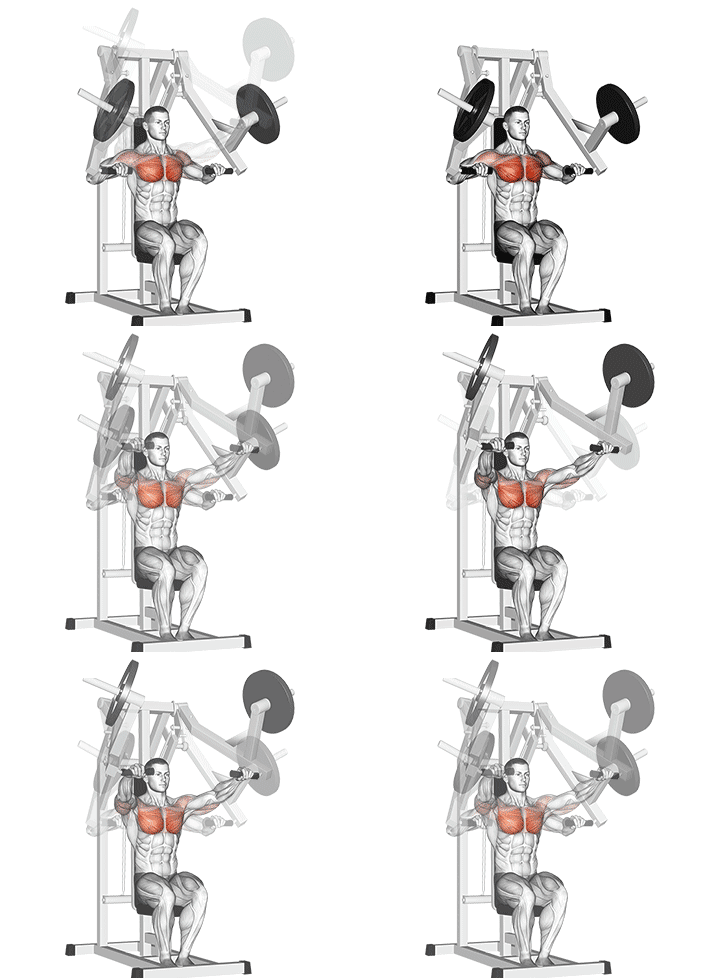
Target Muscle Group:
Chest
Equipment Required
Chest press machine
Experience Level:
Beginner
Secondary Muscles
Shoulders, Triceps
Ideal sets & reps:
4 sets of 10 reps
Benefits
- 1. The lever chest press also works the shoulders and triceps muscles, making it a great compound exercise for upper body strength.
- 2. The lever chest press machine allows for a variety of grips and angles, which can target different areas of the chest and upper body muscles.
- 3. The lever chest press machine provides a controlled and stable movement pattern, which can reduce the risk of injury compared to free weights or other chest exercises.
- 4. The lever chest press is a relatively simple exercise to perform, and the machine provides stability and support, making it a suitable exercise for beginners or those new to weightlifting.
Instructions
- 1. Set the lever chest press machine to the appropriate weight and seat height for your body. Grasp the handles with an overhand grip and sit down on the machine.
- 2. Position yourself so that your feet are flat on the ground, and your back is firmly against the backrest. Your head and neck should be neutral, and your shoulders should be relaxed.
- 3. Push the handles away from your chest in a controlled manner, exhaling as you push. Keep your elbows slightly bent and your wrists straight to maintain stability and maximize engagement of your muscles.
- 4. Slowly lower the handles back down towards your chest, inhaling as you lower the handles. Avoid letting the weight plates touch the stack between repetitions to maintain tension in your chest muscles.
- 5. Repeat the exercise for the desired number of repetitions and sets. Once you have completed the exercise, slowly release the handles and sit up slowly. Stretch your chest and shoulders to cool down and help prevent muscle soreness.
Points to remember
- 1. Keep your back firmly against the backrest throughout the exercise, maintaining proper posture to avoid strain or injury to your back.
- 2. Avoid locking out your elbows at the top of the movement to prevent injury, and instead maintain a slight bend in your elbows to keep tension on your chest muscles.
- 3. Use a weight that is appropriate for your fitness level and allows you to perform the exercise with proper form, ensuring that you don't strain or injure yourself while lifting.
- 4. Keep your movements slow and controlled throughout the exercise, avoiding any jerky or sudden movements that can lead to injury or reduce the effectiveness of the exercise.
- 5. Remember to breathe normally and properly throughout the exercise, exhaling as you push the handles away from your chest and inhaling as you lower them back down, to keep your muscles properly oxygenated and reduce fatigue.