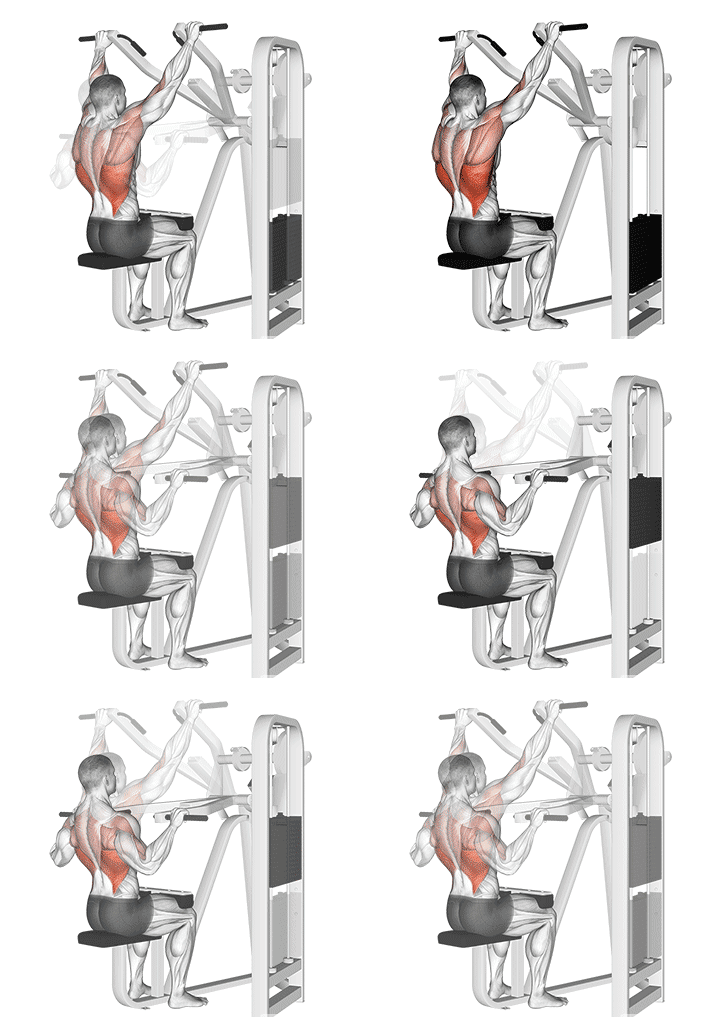
Target Muscle Group:
Latissimus Dorsi (Lats)
Equipment Required
Lever Front Pulldown machine
Experience Level:
Beginner
Secondary Muscles
Traps, Biceps, Rhomboids
Ideal sets & reps:
3 sets of 8 reps
Benefits
- 1. Lever Lat Pulldowns focus on the lats, promoting a strong and well-developed back that enhances upper body strength and aesthetics.
- 2. The guided motion of the lever machine offers a safer training environment, minimizing the risk of injury often associated with free-weight exercises.
- 3. Strengthening the upper back muscles contributes to better posture by pulling the shoulders back and reducing the likelihood of slouching and associated discomfort.
- 4. This exercise isolates the target muscles effectively, reducing the involvement of other muscle groups, ensuring that the lats are the primary focus of the workout.
- 5. The lever lat pulldown machine provides multiple grip options, allowing you to target different areas of the back and adapt the exercise to your specific needs and preferences.
Instructions
- 1. Adjust the lever lat pulldown machine to your height and secure your legs under the designated pads. Your thighs should be firmly in place, ensuring stability.
- 2. Grasp the overhead bar with a wide, overhand grip, ensuring your hands are slightly wider than shoulder-width apart.
- 3. Sit down on the machine, keeping your back straight and chest up. Your upper thighs should be snug against the pads, and your feet flat on the floor.
- 4. Pull the bar down towards your upper chest, engaging your lats and upper back muscles. Focus on a controlled and deliberate motion, avoiding jerky movements.
- 5. Once the bar reaches your upper chest, squeeze your shoulder blades together, and hold this position for a brief pause to maximize muscle engagement.
- 6. Slowly release the bar, allowing it to return to the initial position. Maintain control throughout the entire range of motion, keeping your core engaged.
- 7. Perform the desired number of repetitions, typically in the range of 3-4 sets of 8-12 reps for muscle hypertrophy (muscle growth), while maintaining proper form and control.
Points to remember
- 1. Use a wide, overhand grip on the bar, ensuring your hands are slightly wider than shoulder-width apart. This grip targets the lats effectively.
- 2. Steer clear of using your body's momentum to move the weight. Keep your upper body and core stable to target the intended muscle groups.
- 3. Focus on a slow and controlled movement pattern. Avoid yanking the bar down or letting it rise too quickly. A smooth and deliberate motion is key.
- 4. Maintain an upright seated position with your chest up and back straight throughout the exercise. Avoid leaning back or using momentum to lift the weight.
- 5. Concentrate on engaging your latissimus dorsi muscles as you pull the bar down. Squeeze your shoulder blades together at the bottom of the movement to maximize lat activation.
Popular Questions
- Q1. What are the muscles worked by lever front pulldown ?
- A1. The Lever Front Pulldown primarily targets the latissimus dorsi (lats), which contribute to a V-shaped upper body. Additionally, it engages the biceps, lower trapezius, and rhomboid muscles, promoting upper body strength, stability, and improved posture.
- Q2. What are the benefits of doing lever front pulldown ?
- A2. The Lever front pulldown is a valuable exercise for building a strong and well-defined upper body. It primarily targets the latissimus dorsi, promoting a wider back and improved posture. Additionally, it engages the biceps, trapezius, and rhomboid muscles, contributing to upper body strength, stability, and aesthetic development.
- Q3. What are the best lever front pulldown alternative's ?
- A3. Effective alternatives to the Lever Front Pulldown include Cable Lat Pulldowns, which offer a similar lat-targeting motion, and reverse grip machine row that engages multiple upper body muscles while replicating the lat development benefits of the Lever Front Pulldown. These alternatives provide variety in training and encourage muscle growth.