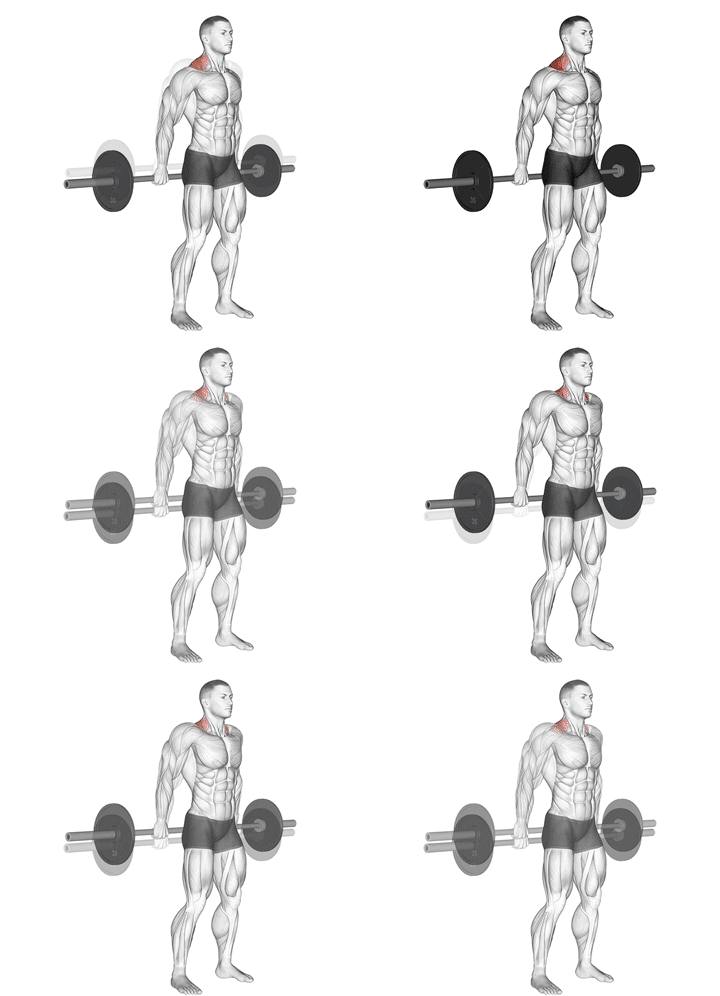
Target Muscle Group:
Upper & Middle Traps
Equipment Required
A Barbell
Experience Level:
Beginer
Secondary Muscles
Deltoids (shoulders)
Ideal sets & reps:
3 sets of 10 reps
Benefits
- 1. The primary focus of this exercise is the trapezius muscles, which contribute to the upper back's overall size and definition.
- 2. Strengthening the trapezius muscles can play a crucial role in preventing injuries, especially in the neck and upper back regions.
- 3. As a compound exercise, the Barbell Behind The Back Shrug involves multiple muscle groups, including the upper back, shoulders, and neck.
- 4. A well-developed upper back provides support for the spine, reducing the risk of slouching and promoting a more upright and confident posture.
- 5. The barbell behind the back shrug engages the muscles surrounding the shoulder blades, contributing to increased stability in the shoulder joints. This is particularly beneficial for individuals involved in weightlifting.
Instructions
- 1. Stand with feet shoulder-width apart, gripping the barbell behind with an overhand grip. Hands slightly wider than shoulder-width, setting the foundation for proper execution.
- 2. Elevate the barbell by extending hips and knees, achieving a standing position with the barbell hanging at arm's length behind, initiating the exercise.
- 3. Engage the trapezius muscles by elevating shoulders straight upward, emphasizing a controlled and deliberate shrugging motion for optimal muscle activation.
- 4. Squeeze shoulder blades together at the top of the movement, holding the contracted position momentarily to intensify the peak contraction in the trapezius muscles.
- 5. Gradually lower the barbell, allowing shoulders to descend fully. Maintain control during the descent, ensuring consistent muscle engagement throughout the entire range of motion.
- 6. Keep the neck in a neutral position to prevent strain or discomfort, avoiding excessive tilting forward or backward during the exercise for optimal safety and effectiveness.
- 7. Perform 8-12 repetitions with a controlled pace for 3-4 sets. Adjust the weight according to individual fitness levels and training goals to optimize the workout's effectiveness.
Points to remember
- 1. Gradually increase the resistance as strength and proficiency improve, ensuring a gradual and sustainable progression in your training.
- 2. Execute the lift and descent with control, avoiding jerky or rapid motions. Emphasize a smooth and deliberate shrugging movement to target the trapezius effectively.
- 3. Focus on squeezing the shoulder blades together at the top of the shrug. This maximizes the contraction in the trapezius muscles, promoting muscle growth and strength.
- 4. Keep the neck in a neutral position throughout the exercise. Avoid excessive tilting forward or backward to prevent strain on the neck and maintain proper spinal alignment.
- 5. Inhale during the descent and exhale during the ascent. Coordinate your breath with the movement to enhance stability and control, optimizing the overall effectiveness of the exercise.
Popular Questions
- Q1. What are the muscles worked by barbell behind the back shrug ?
- A1. The Barbell Behind The Back Shrug primarily targets the trapezius muscles, which extend along the upper back and neck. This exercise effectively engages the upper fibers of the trapezius, contributing to improved muscle development, strength, and overall shoulder stability.
- Q2. What are the best barbell behind the back shrug alternative's ?
- A2. Effective alternatives to the barbell behind the back shrug include dumbbell shrugs, enabling a broad range of motion, and scapula dips, emphasizing scapular movement for enhanced trapezius activation. The smith machine shrug remains a stable option for targeting upper back muscles and shoulder stability.
- Q3. What are the benefits of doing barbell behind the back shrug ?
- A3. barbell behind the back sshrugs offer key benefits, primarily targeting the trapezius muscles for enhanced upper back development and definition. This exercise contributes to improved posture, shoulder stability, and overall functional strength, making it an effective addition to a well-rounded workout routine focused on upper body strength and aesthetics.