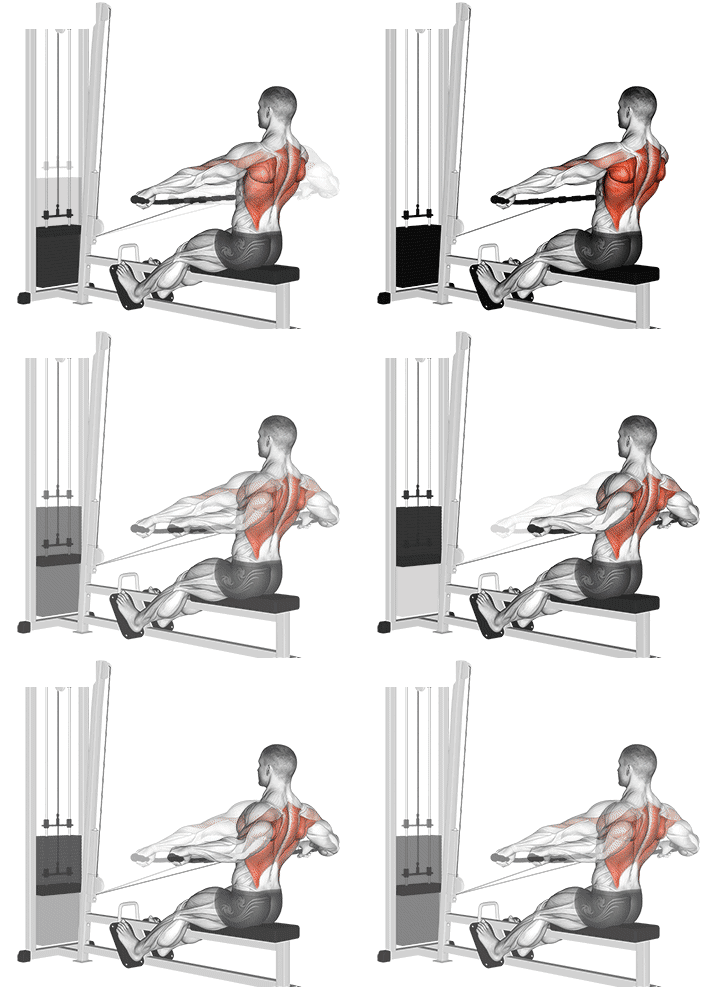
Target Muscle Group:
Latissimus Dorsi (Lats), Upper & middle Traps
Secondary Muscles
Biceps, Rhomboids, Rear Deltoids
Experience Level:
Beginner
Equipment Required
Cable row machine
Ideal sets & reps:
3 sets of 8 reps
Benefits
- 1. This exercise helps balance muscle development in the upper body, reducing the risk of muscle imbalances and associated injuries.
- 2. Strengthening the upper back and shoulder muscles helps improve posture by counteracting the effects of modern-day sedentary activities.
- 3. Seated cable rows are effective for increasing pulling strength, which can benefit various exercises and daily activities that involve pulling or lifting.
- 4. The seated cable row machine allows for various grip attachments, accommodating different hand positions and angles to target specific areas of the back.
- 5. It primarily targets the muscles of the upper and middle back, including the latissimus dorsi, rhomboids, and trapezius, promoting a well-defined and strong back.
Instructions
- 1. Start by adjusting the seat and the footplate on the cable row machine to fit your body. Sit down on the bench and place your feet flat on the footplate. Ensure your knees are slightly bent.
- 2. Reach forward and grasp the handles with an overhand grip, keeping your hands shoulder-width apart. Your arms should be fully extended, and your back should be straight.
- 3. Begin the movement by retracting your shoulder blades and pulling the handles toward your lower ribcage. Keep your elbows close to your body and maintain a strong, stable core throughout the motion.
- 4. As you pull the handles, focus on squeezing your back muscles, particularly the lats, rhomboids, and traps. This is the peak contraction of the exercise.
- 5. Slowly release the tension on the handles and return them to the starting position. Keep the movement controlled and avoid letting the weight stack slam down.
- 6. Exhale as you pull the handles towards you and inhale as you release. Maintain a consistent and controlled breathing pattern.
- 7. Complete the desired number of repetitions typically 3-4 sets of 8-12 reps for muscle hypertrophy (muscle growth), ensuring you maintain good form and control during each repetition.
Points to remember
- 1. Focus on controlled and deliberate movements throughout the exercise. Avoid using momentum or jerking the handles, as this can lead to injury.
- 2. Gradually increase the weight as you become stronger to continuously challenge your muscles. However, never sacrifice form for heavier weights.
- 3. Position your feet flat on the footplate and make sure your knees are slightly bent. This provides a stable base and prevents excessive strain on your lower back.
- 4. Use an overhand grip on the handles, keeping your hands shoulder-width apart. This grip engages the target muscles effectively and reduces stress on your wrists.
- 5. Pull the handles towards your lower ribcage, squeezing your shoulder blades together. Extend your arms fully when returning to the starting position for a complete range of motion.
Popular Questions
- Q1. What are the muscles worked by seated cable row ?
- A1. Seated cable rows primarily target the muscles of the upper back, including the latissimus dorsi, and trapezius. Secondary muscles engaged during the exercise include the biceps, rhomboids and rear deltoids. This compound movement is effective for building back strength and improving posture.
- Q2. What are the benefits of doing seated cable row ?
- A2. Seated cable rows offer several benefits, including enhanced upper back strength and muscle development. This exercise improves posture, reduces the risk of back-related issues, and increases overall upper body stability. It's a versatile movement that can be customized to suit various fitness levels and goals.
- Q3. What are the best seated cable row alternative's ?
- A3. Effective alternatives to the seated cable row include smith machine bent-over rows, engaging the upper back and promoting stability. reverse grip machine rows target the same muscles while emphasizing different grips for variety. decline barbell pullovers work the upper body and lats, providing a well-rounded back workout.